







What are the main types of poultry feeders available in Kenya?
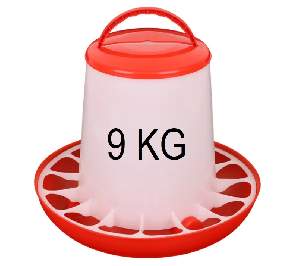
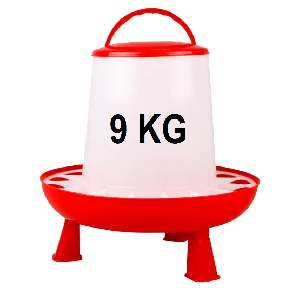
For Kenyan poultry farmers, the choice typically lies between manual hanging feeders, linear troughs, and automatic systems. Hanging tube feeders are the industry standard for both broilers and layers due to their versatility and gravity-fed design. Linear troughs are preferred for caged systems or specific brooding setups, while automatic pan feeders are investing in large-scale commercial operations to automate labor and ensure precision feeding.
Choosing the right type depends heavily on your flock size and housing system. For free-range (Kienyeji) or deep litter systems, plastic hanging feeders are ideal because they can be raised as the birds grow, keeping the feed clean. For day-old chicks, flat chick trays are mandatory for the first week to ensure immediate access to food without barriers.
How do anti-waste features save money on feed costs?
Feed accounts for approximately 70% of poultry production costs, so minimizing spillage is critical for profitability. Anti-waste chicken feeders utilize specific design elements like inward-curved rims (lips) and grill divisions. These features prevent the birds from "flicking" or scratching feed out of the pan onto the litter, where it becomes contaminated and inedible.
Our research indicates that switching from open bowls or poor-quality troughs to proper anti-waste feeders can save up to 15g of feed per bird per day. Over a cycle of 500 broilers, this translates to hundreds of kilos of saved feed. Additionally, keeping feed off the ground reduces the attraction of rodents and lowers the risk of soil-borne diseases like Coccidiosis.
Plastic vs. Galvanized Metal: Which feeder material is better?
The debate between plastic poultry feeders and galvanized metal options often comes down to durability versus hygiene. High-quality UV-treated plastic feeders are generally preferred in modern poultry farming because they are rust-proof, lightweight, and exceptionally easy to wash and sanitize between cycles.
- Plastic: Best for hygiene and compatibility with corrosive medications or water-soluble supplements. Ensure they are made from virgin HDPE to resist cracking.
- Galvanized Steel: extremely durable against physical impact but can corrode over time if the galvanization layer wears off, making them harder to sterilize effectively.
How to correctly position feeders to maximize growth?
Correct feeder height is the single most ignored factor that affects bird uniformity and Feed Conversion Ratio (FCR). A feeder should always be adjusted so the lip of the pan is level with the bird’s back. This forces the bird to stand naturally to eat, facilitating swallowing and preventing them from scratching inside the feeder.
If the feeder is too low, wastage increases dramatically as birds rake feed out. If it is too high, smaller birds cannot eat, leading to an uneven flock (runts). We recommend using adjustable ropes or chains to raise the hanging poultry feeders weekly as your broilers or layers grow.
Common troubleshooting for clogging and flow issues
A frequent issue farmers face is feed bridging or clogging, especially when using mash feed which has a finer texture than pellets. This often happens in feeders with narrow throats or shallow cones.
- Check Feed Texture: If mash is too moist or fine, it sticks. Ensure feed is stored in a dry place.
- Adjust Flow Rate: Most large capacity poultry feeders have an adjustable cylinder. Open the gap wider for mash and narrow it for crumbles or pellets.
- Daily Agitation: Simply bumping the hanging feeders during morning inspection ensures the gravity flow continues uninterrupted.
