

What are the main types of poultry drinkers available for commercial farming?
The choice of hydration system depends largely on the bird type and farm infrastructure. Generally, we categorize them into manual, semi-automatic, and fully automatic closed systems to suit different flock sizes.
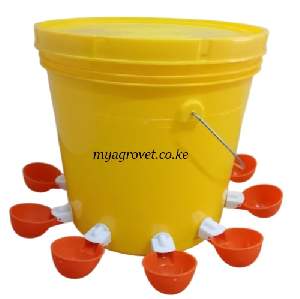
Based on our extensive analysis of poultry infrastructure, the market is dominated by three primary categories. First, manual founts (inverted jars) are standard for the brooding stage, offering easy access for day-old chicks. Second, Bell drinkers (open systems) utilize a gravity-fed valve mechanism to maintain a constant water level, ideal for growers and free-range setups. Finally, Nipple drinking systems (closed systems) represent the industry standard for hygiene, utilizing stainless steel pins that release water upon contact, significantly reducing contamination risks.
How do automatic nipple systems improve flock health and biosecurity?
Automatic nipple systems are technically superior for disease control because they eliminate the open water surface. This prevents fecal contamination, bedding dust accumulation, and the spread of waterborne pathogens.
According to our technical review, closed systems are the most effective method for maintaining biosecurity. Unlike open troughs, water in a nipple line is never exposed to the environment until the bird drinks. This design feature drastically reduces the transmission vectors for diseases like Coccidiosis and E. coli. Furthermore, our data suggests that dry litter—maintained by high-quality, non-drip nipples—is crucial for preventing ammonia burns and footpad dermatitis, ensuring better overall bird welfare and carcass quality.
What are the critical technical specifications for a reliable drinker line?
When selecting a system, focus on flow rates, pressure regulation capabilities, and material durability. Ignoring these specs often leads to wet litter or dehydrated birds.
We advise paying close attention to the following technical parameters:
- Flow Rate Sensitivity: The system must deliver between 30ml/min for chicks and up to 100ml/min for mature broilers.
- Material Composition: Look for UV-stabilized plastics (HDPE) that withstand harsh sunlight and stainless steel internal components (304 or 316 grade) to prevent corrosion.
- Pressure Regulators: High-performance regulators are non-negotiable for managing water column height to prevent leakage while ensuring ease of activation.
How does the mechanism of a Bell drinker work?
Bell drinkers operate on a weight-responsive valve system. They are popular due to their simplicity and visual water assurance, allowing farmers to easily spot if water is supplied.
The principle relies on a balance between the weight of the water and a spring mechanism. As the birds drink, the water level in the trough drops, reducing the weight of the bell. This weight reduction allows the internal spring to lift the valve, releasing water from the main line into the trough until the preset weight is achieved again. While robust, our experience indicates that these require frequent cleaning to prevent slime and algae buildup in the open trough area.
What are the most common problems and troubleshooting steps?
The most frequent issues involve leakage leading to wet litter, or blockages causing dehydration. Regular maintenance schedules are vital for system longevity.
Troubleshooting usually involves a systematic check:
- Leaking Nipples: Often caused by sediment stuck in the seal. High-pressure flushing usually resolves this; otherwise, the O-ring may need replacement.
- Biofilm Blockage: If flow is restricted, it is likely due to algae or bacterial film. We recommend using hydrogen peroxide-based line cleaners between cycles.
- Air Locks: If water isn't reaching the end of the line, ensure your breather pipes are functional and positioned correctly to release trapped air.
Common myths about poultry hydration systems debunked
Many farmers hesitate to switch to nipples due to misconceptions about hydration adequacy in hot climates. However, evidence shows modern systems are superior for heat stress management.
A prevalent myth is that "birds cannot drink enough from nipples in the heat." In reality, because the water remains enclosed in the pipe, it stays cooler than stagnant water in an open trough. Provided the pressure settings are correct and the bird-to-nipple ratio (typically 10-12 birds per nipple) is observed, hydration is actually more efficient. Another myth is that "manual drinkers are cheaper." While the initial cost is lower, the labor cost of filling and cleaning them daily makes them significantly more expensive over the lifespan of a commercial flock.
