
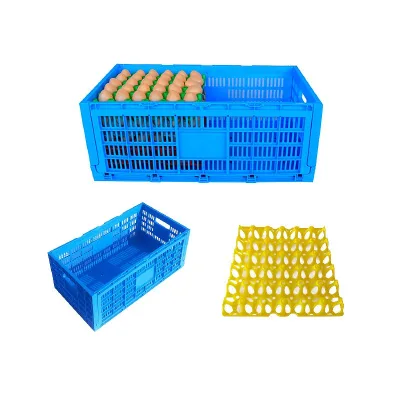
Egg Transportation Crates, Egg Collection Crates For Poultry Farms
KSh 2,500
Choose the Right Chicken House for Your Flock
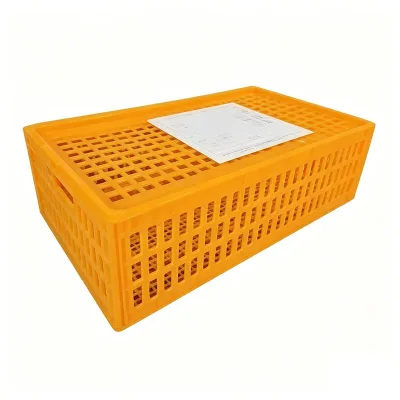
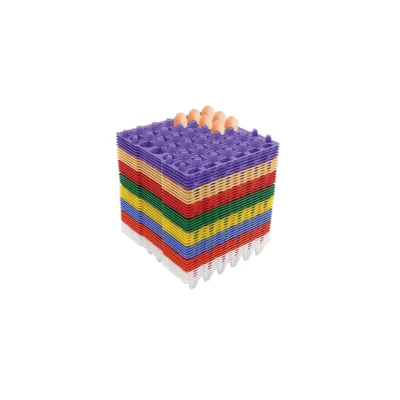
CHICKEN COOP selection directly affects poultry survival and output. We help farmers choose housing that protects birds, improves productivity, and reduces losses. Need guidance? We support you at every step.
We’ve worked with poultry housing across backyard and commercial setups, and we’ve seen the same pattern repeat. Coops that look solid fail because airflow, space, or hygiene were ignored. That’s why our selection focuses on structure, ventilation, and cleaning access rather than appearance.
Our team understands poultry housing challenges in Kenya. Heat stress, predators, and disease spread fast when housing is wrong. We guide customers through these risks and help avoid common mistakes that cost money later.
What we provide:
Help selecting the right chicken house for flock size
Guidance on ventilation and predator protection
Support on layout and cleaning access
Practical advice based on real poultry operations
A chicken coop is not just shelter. It’s a production system. Choose it carefully.
A chicken coop in Kenya is selected based on flock size, production goals, and local climate. Backyard, semi-commercial, and commercial designs differ mainly in space allocation, materials, and ventilation strategy.
Backyard coops are typically wooden or mixed-material structures designed for small flocks. Commercial chicken houses rely on metal frames or concrete walls to support durability and hygiene. According to our field research, ventilation quality has a bigger impact on productivity than the material itself.
A properly built chicken coop directly improves egg production, growth rate, and flock survival by stabilizing temperature, reducing stress, and limiting disease exposure.
Our study shows that birds housed in controlled poultry housing produce up to 25% more eggs than birds kept in open shelters. Predator-proof walls, consistent feeding access, and dry litter significantly reduce losses.
Ventilation in a chicken house relies on natural airflow to remove moisture, ammonia, and excess heat without creating drafts.
Openings placed above bird level allow warm air to escape while fresh air enters at lower points. Poor airflow leads to respiratory problems, especially during rainy seasons.
Critical technical features include space per bird, ventilation openings, floor design, and ease of cleaning.
Poorly designed poultry shelters lead to disease outbreaks, high mortality, and low egg output.
Common issues include damp litter, overheating, and predator access. Addressing these early prevents long-term losses.
Neither material is universally better; performance depends on ventilation and maintenance.
Wood insulates well but attracts pests. Metal lasts longer but requires shade management in hot areas. The best solution balances durability and airflow.
Tell us the size of your flock, your plot or your job, and we will tell you which model fits. We are in Nairobi CBD and you are welcome to come and see the tools before you buy.