
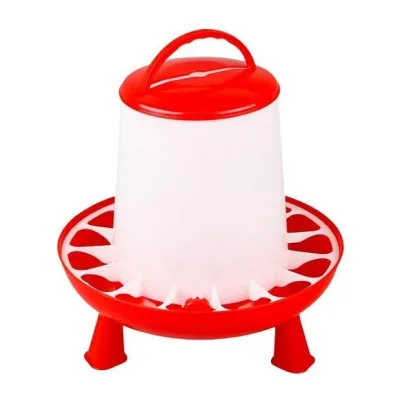
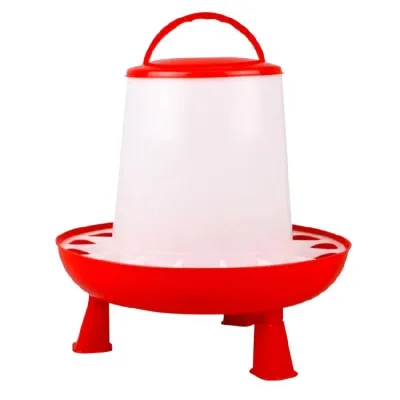
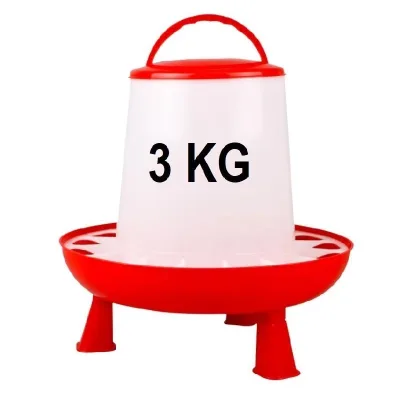
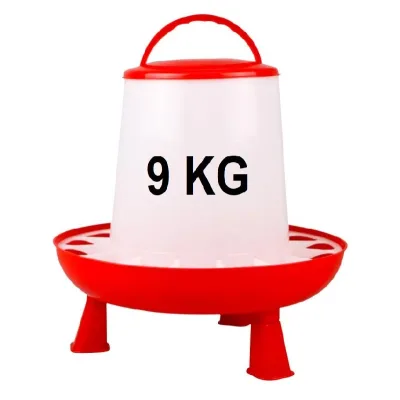
Feeder for Poultry, Hens, Quail and Partridges, With Feet, UV Protection, WQ-9HK, Ø19 X 36,5 X 30
KSh 1,950
Durable Chicken Feeders for Efficient Poultry Farming in Kenya
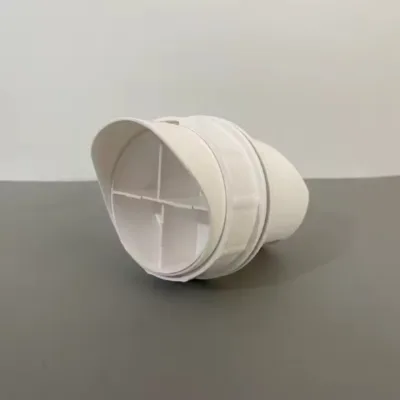
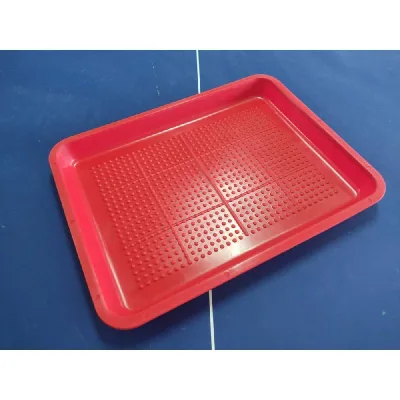
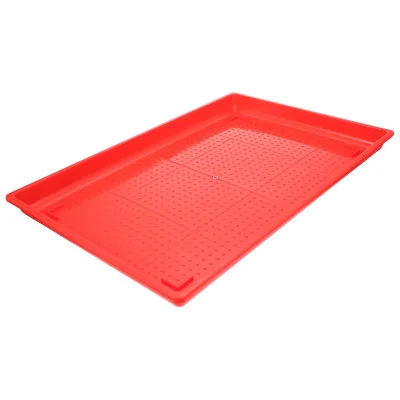

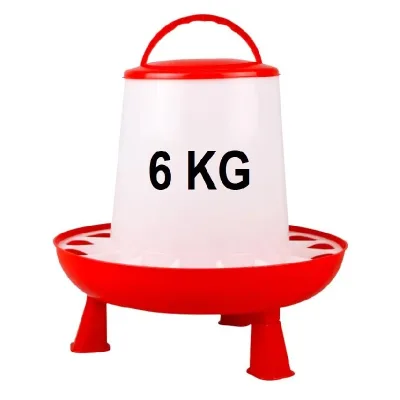
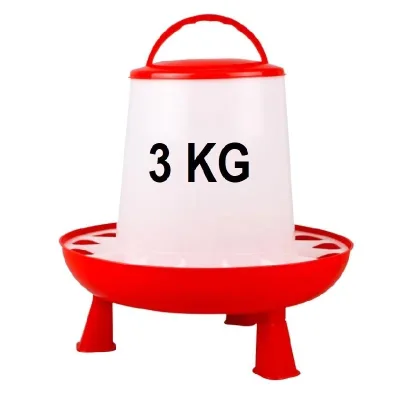
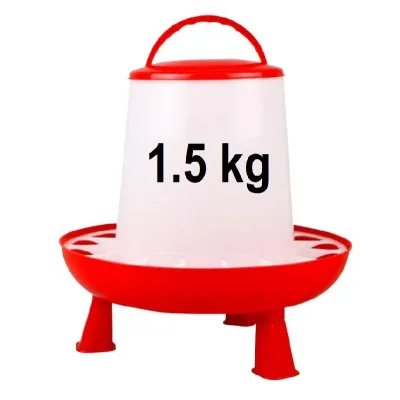
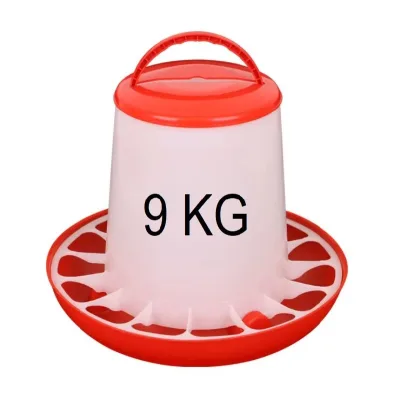
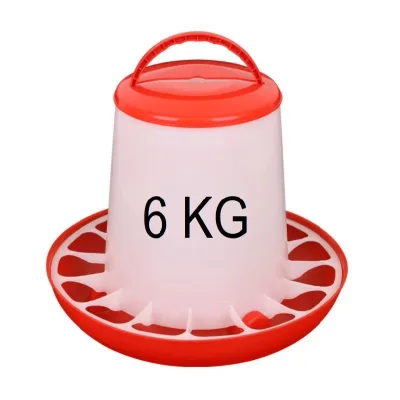
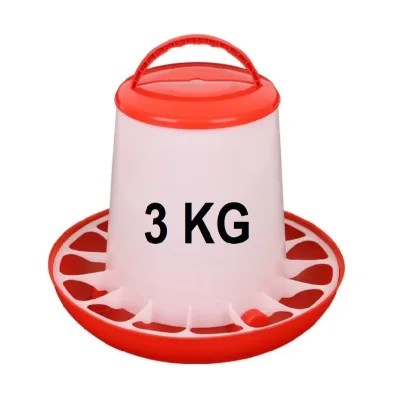
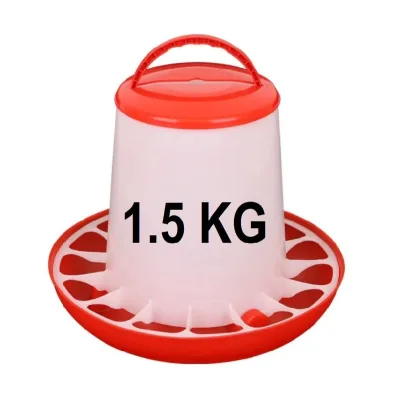
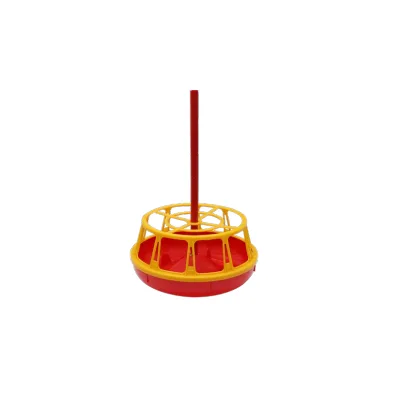
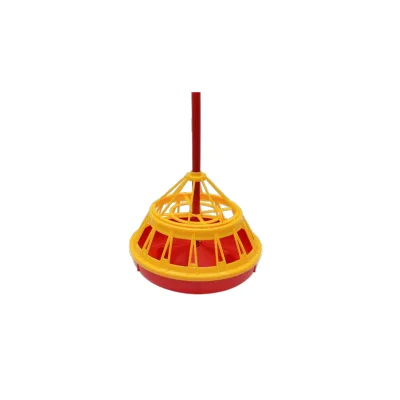
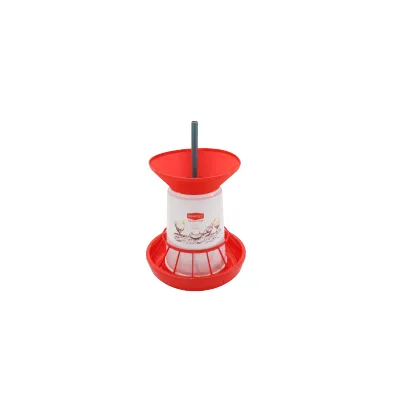
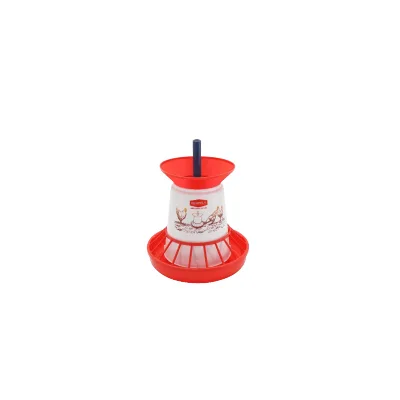
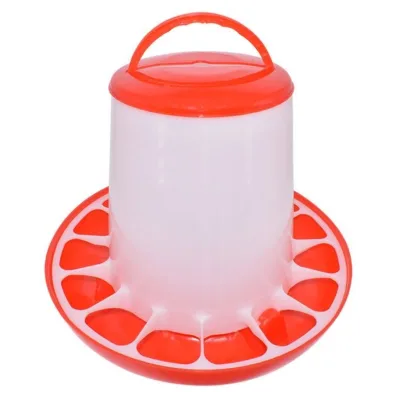
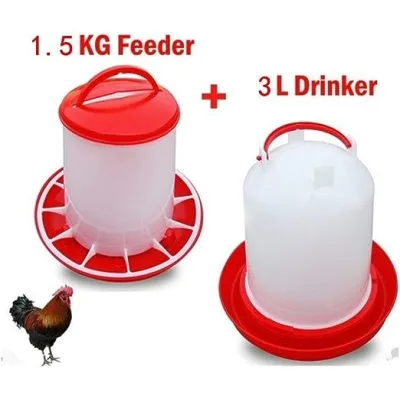
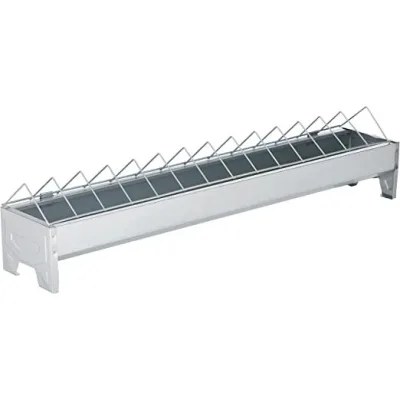
We don't just sell plastic; we understand poultry economics. Our selection criteria prioritize UV-stabilized materials that won't crack under the harsh sun and galvanized chicken feeders that resist rust in humid conditions. We have filtered out flimsy designs, stocking only equipment with proven anti-waste grills and robust gravity mechanisms. This ensures that whether you are running a backyard coop or a commercial setup, the gear holds up.
Our team consists of experienced agri-consultants who know that a "one size fits all" approach fails in farming. We help you calculate the exact number of automatic poultry feeders or manual troughs needed based on your flock density, preventing the common mistake of overcrowding that leads to uneven growth. We are here to bust the myths and get you the right setup.
Slash Feed Bills: Our anti-waste designs can save up to 20% of your feed budget.
Hygiene First: Keep food off the ground to minimize coccidiosis risks.
Built to Last: Commercial poultry equipment Kenya farmers can trust for years, not just seasons.
Pest Control: Options available to lock out rats and wild birds.
Choosing the right feeder depends heavily on your flock size and housing setup. In Kenya, the two most dominant categories are plastic hanging feeders and galvanized metal troughs, each serving distinct needs for poultry farmers.
Our research indicates that for most small-to-medium scale farmers, UV-resistant plastic feeders are the optimal choice. They are lightweight, easy to clean, and the gravity-fed design ensures a constant supply of food. However, for large-scale commercial operations or free-range setups where durability is paramount, galvanized iron feeders are superior. They resist rust and are heavy enough to prevent tipping, a common issue in active flocks. We also stock automatic treadle feeders, which are gaining popularity in Nairobi and its environs for their ability to keep pests like rats away from your expensive feeds.
Since feed constitutes approximately 70% of poultry production costs, minimizing waste is not just convenient—it is financial survival. Quality feeders utilize specific design mechanics to stop birds from scratching out grain.
The primary technology involves anti-waste grills or division rings located at the feeding pan. These physical barriers prevent chickens from "swiping" their beaks sideways, a natural behavior that scatters food. Furthermore, by utilizing hanging feeders adjusted to the correct height (level with the bird's back), you force the chicken to eat naturally without stepping into the dish. According to our field data, switching from open basins to proper anti-waste feeders can save a farmer up to 20% on feed costs annually.
Selecting the correct size is critical to prevent overcrowding and ensure all birds get equal access to nutrition. Using the wrong ratio can lead to stunted growth in weaker birds.
A general rule of thumb for mature chickens is to provide one standard tube feeder (approx. 10kg to 12kg capacity) for every 30 to 40 birds. For chicks, smaller 1kg to 3kg chick trays are necessary to ensure they can reach the food without climbing inside and soiling it. Failing to provide enough feeder space often leads to aggressive behavior and uneven flock uniformity.
One common complaint among farmers using mash feed is that it tends to "bridge" or get stuck in the hopper cone, stopping the flow. This is less of a problem with pellets or crumbles.
To troubleshoot this, ensure your feeder has a steep cone angle that encourages flow. If you must use sticky or high-molasses mash, you may need to manually agitate the feeders once a day. Additionally, never allow the feed to get wet inside the hopper, as this creates mould and solid blockages. Regular cleaning is essential; we recommend emptying and sanitizing feeders weekly to maintain hygiene and flow efficiency.
Many farmers hesitate due to the higher upfront cost of automatic feeders, but the long-term savings often justify the price tag. These feeders operate on a weight mechanism that only opens when a chicken steps on the platform.
The immediate benefit is vermin proofing. In many Kenyan farms, wild birds and rats consume a significant portion of open feed. A treadle feeder completely blocks this access. While the initial cash outlay is higher, the Return on Investment (ROI) is typically realized within 6 months purely through the reduction of stolen and wasted feed. Contrary to the myth that chickens are too "lazy" or "stupid" to learn, most flocks adapt to the treadle mechanism within 2 to 3 days with simple training.
Tell us the size of your flock, your plot or your job, and we will tell you which model fits. We are in Nairobi CBD and you are welcome to come and see the tools before you buy.