
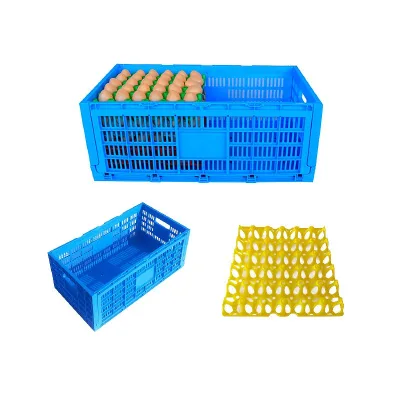
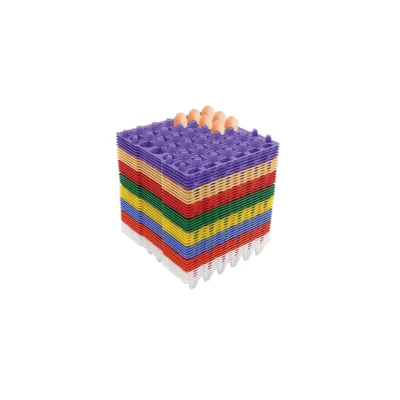
Egg Transportation Crates, Egg Collection Crates For Poultry Farms
KSh 2,500
Premium Metal and Roll Away Nesting Boxes
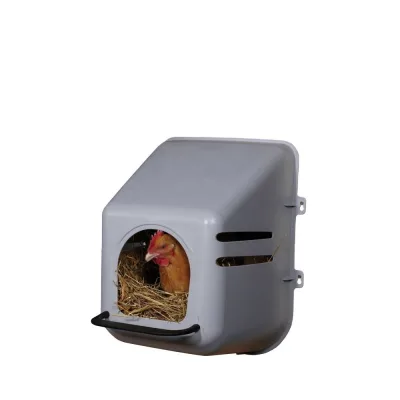
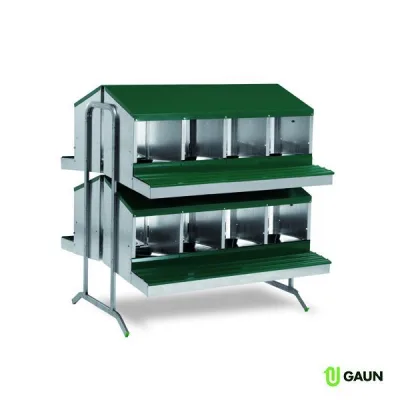
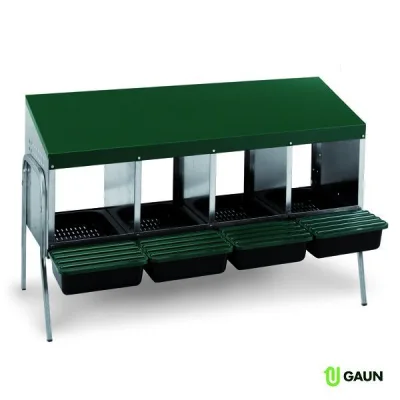
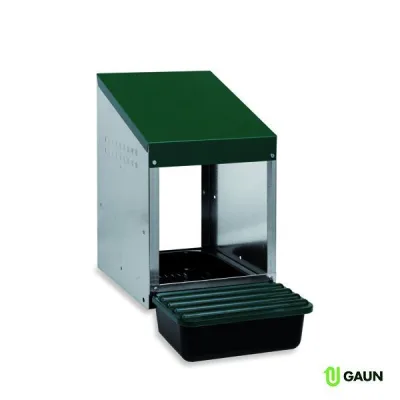
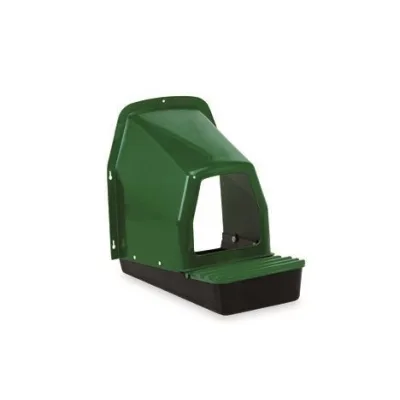
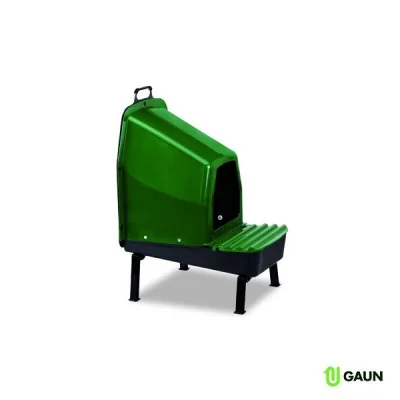
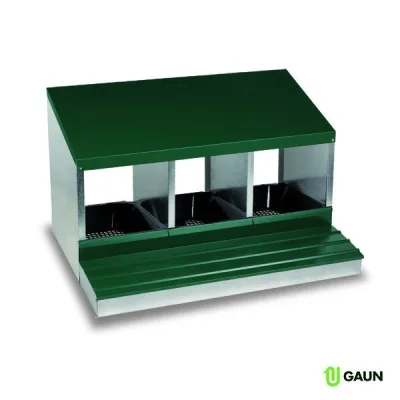
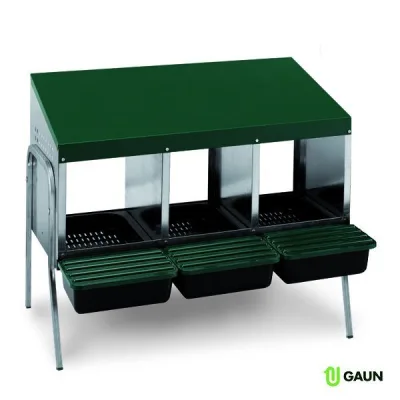
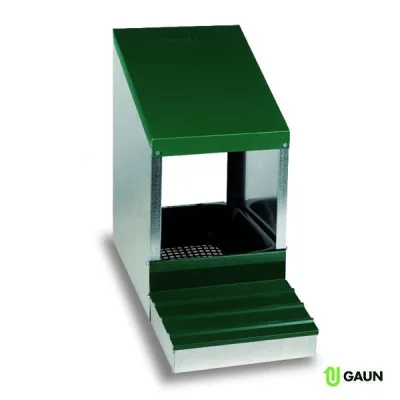
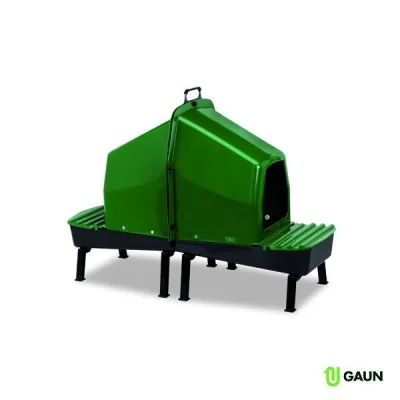
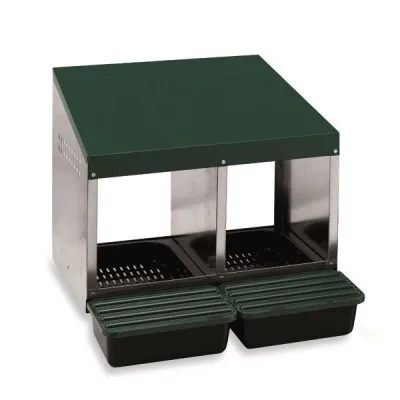
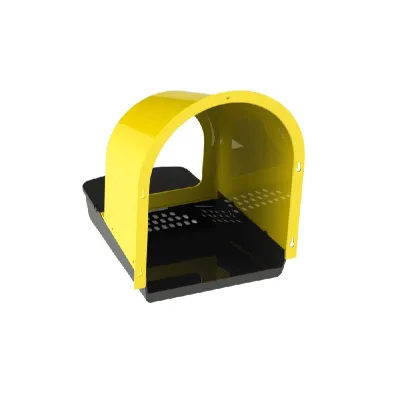
We understand that cracked, dirty, or eaten eggs cut directly into your poultry profits. That is why we exclusively recommend and supply high-durability Chicken nesting boxes designed to solve these specific farm challenges. Whether you need a simple 2-hole unit for a backyard flock or a 10-hole communal system for commercial layers, our range prioritizes hygiene and bird comfort. Start getting cleaner eggs today—browse our collection below.
Engineering for Hygiene: We have tested various designs and moved away from traditional wood. We focus on metal poultry nests and impact-resistant plastic because they stop mite infestations before they start. Our selection process prioritizes ventilation and ease of cleaning, ensuring your flock stays healthy and your maintenance time is cut in half.
Your Poultry Success Partners: Our team knows that a box is not just a box—it is a production tool. We help you calculate the exact ratio needed (1 box per 4 hens) to prevent floor eggs. We also guide you on installation height to stop hens from sleeping in the nests, a common rookie mistake that ruins egg quality.
Key Benefits of Our Range:
Roll Away Technology: Slanted floors that safely hide eggs from pecking hens.
Mite-Proof Materials: Galvanized steel and plastic that wash down in seconds.
Hinged Perches: Flip-up designs that lock nests at night to keep manure out.
Ventilated Sides: Airflow systems that keep hens cool while laying.
In the current market, chicken nesting boxes are primarily categorized by material and egg-collection mechanism. Through our extensive analysis of poultry equipment, we identify the three dominant types as galvanized metal, high-density plastic, and roll-away systems. Choosing the right type depends largely on your flock size and hygiene requirements.
Galvanized metal boxes are the industry standard for commercial layers in Kenya. Their non-porous surface makes them exceptionally resistant to mites and lice, a common plague in wooden structures. Plastic nesting boxes offer similar hygiene benefits but are rust-proof and often easier to disassemble for deep cleaning.
Perhaps the most significant innovation is the roll-away nesting box. Unlike standard flat boxes where the egg sits in bedding, roll-away units feature a slightly slanted floor. Once laid, the egg rolls safely into a covered tray. This technology is crucial for farmers facing issues with egg eating or dirty shells.
Roll-away boxes solve the two biggest profitability killers in egg production: dirty eggs and egg eating. By removing the egg from the hen's reach immediately after laying, you virtually eliminate product loss and reduce the labor required for washing eggs.
From our technical assessment, the specific angle of the floor (typically 7 to 12 degrees) is critical. It ensures the egg moves away from the hen without gaining enough speed to crack. Furthermore, because these boxes typically use polyethylene nest pads instead of loose bedding like straw or wood shavings, the eggs remain free of fecal matter and mud.
Correct placement is vital for acceptance; if boxes are too low, hens feel vulnerable to predators, and if too high, heavy breeds may struggle to access them. We recommend installing boxes 18 to 24 inches off the ground.
A common frustration we encounter is dirty nests caused by hens roosting inside them overnight. This is almost always a management issue rather than a product defect. The most effective solution is mechanical exclusion.
High-quality laying boxes for chickens come equipped with hinged perch brackets. These allow you to flip the perch up vertically at dusk, physically blocking the entrance to the box. This simple routine forces the birds to use their designated roosting bars, keeping the nests clean for the morning laying cycle.
While wooden boxes are a traditional DIY option, they are technically inferior for long-term poultry management. Wood is porous, providing the perfect breeding ground for red mites and bacteria which are difficult to eradicate once established.
Metal poultry nests and plastic alternatives offer a biosecure environment. They can be pressure washed and sanitized completely. Additionally, metal boxes often feature ventilation holes designed to prevent heat buildup—a critical feature in warmer climates to prevent heat stress during the laying process.
Tell us the size of your flock, your plot or your job, and we will tell you which model fits. We are in Nairobi CBD and you are welcome to come and see the tools before you buy.