
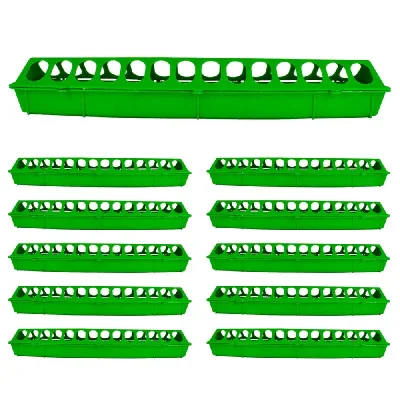
Linear Feeder for chickens, Chicks, Length 50 cm, set of 10 pieces, 28 compartments
KSh 2,400
Buy Professional Poultry Equipment in Kenya | Expert Advice & Reliable Tools for Your Farm
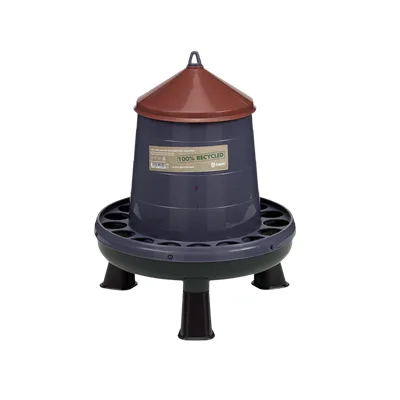
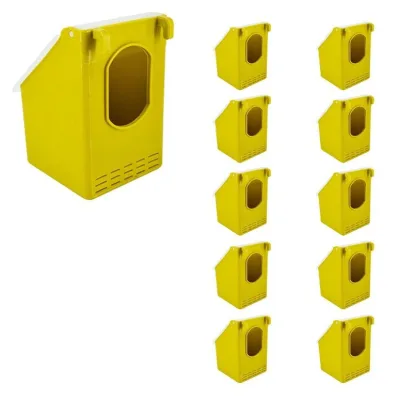

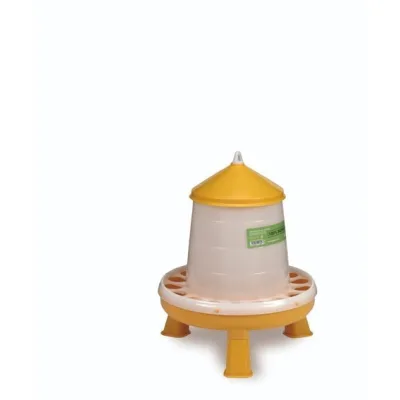
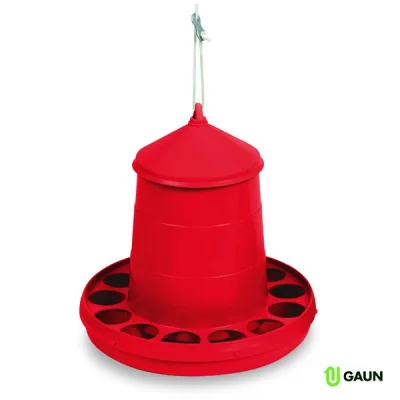
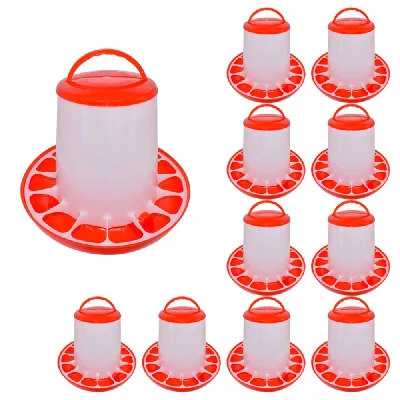

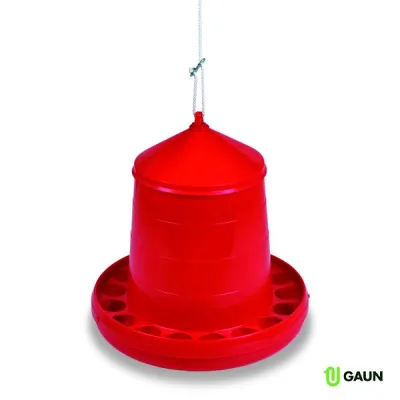
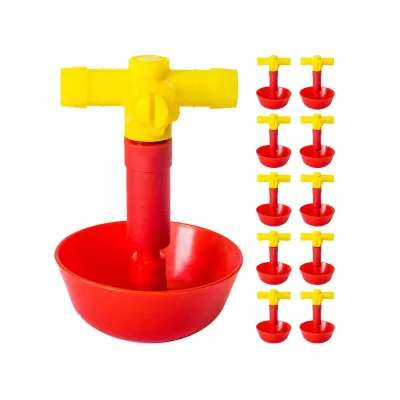
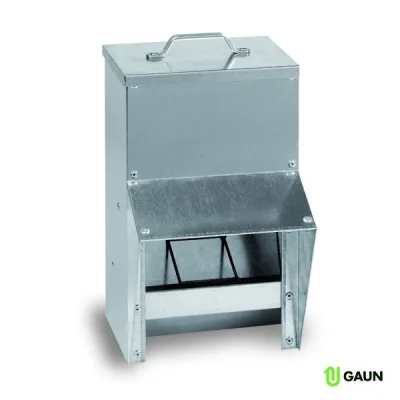
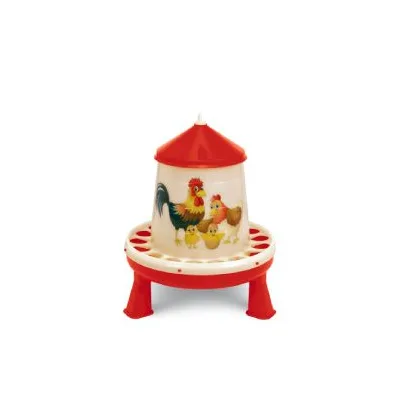
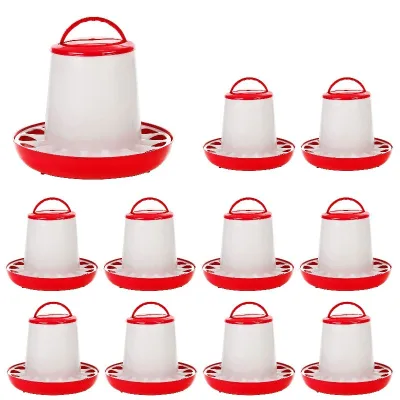
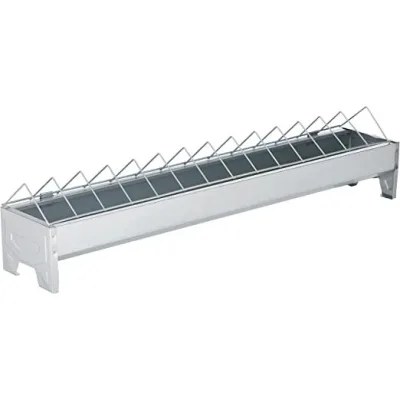

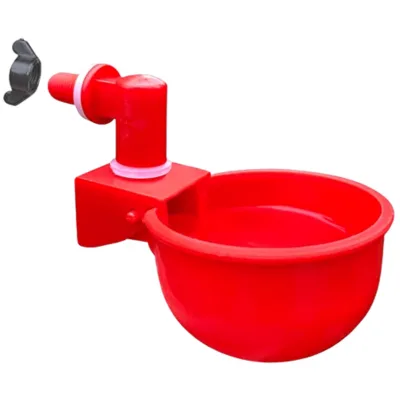
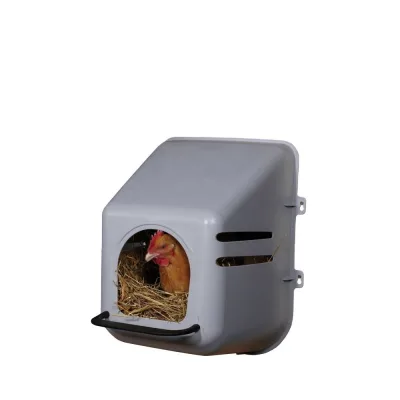
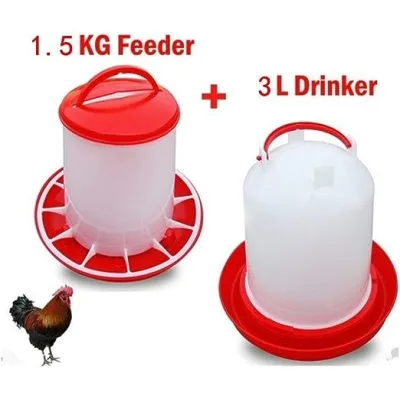
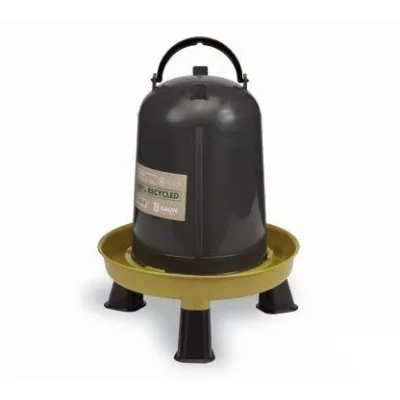
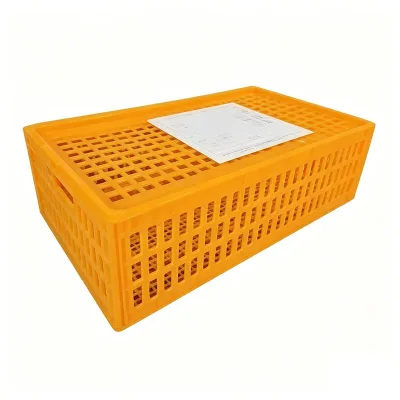
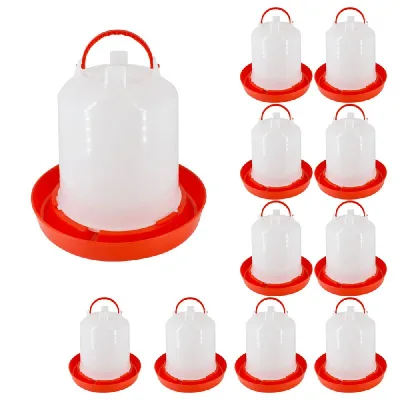
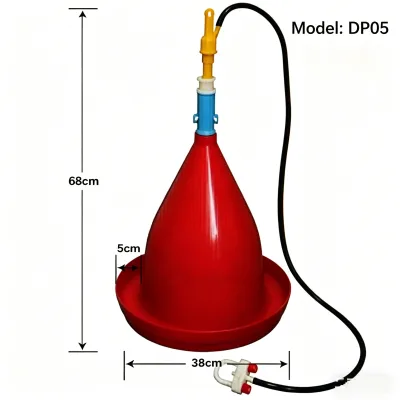
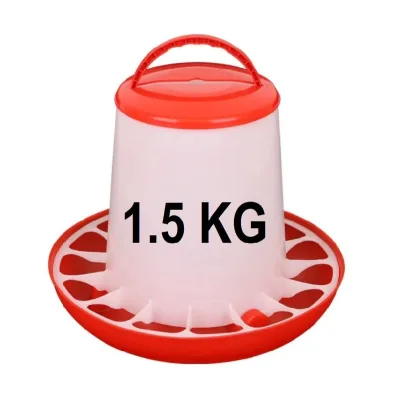

Looking for the right poultry equipment? Whether it's a small backyard flock or a large commercial operation, we've got you covered with a wide range of poultry equipment, including poultry feeders, chicken feeders, poultry drinkers, chicken drinkers, pigeon feeders, pigeon drinkers, chicken coops, chicken pluckers, scalding machines, chicken nesting boxes, pigeon nests, and automatic chicken doors. Everything is categorized for easy selection, making it simple to find the right tools for any scale.
Our equipment includes poultry and chicken feeders, drinkers, chicken coops, pluckers, scalding machines, nesting boxes, pigeon nests, and automatic chicken doors. We provide options with different levels of automation, capacities, and specifications, ensuring you find the perfect fit. Plus, all equipment comes with warranty and after-sales service for long-term support.
Consider factors like flock size, power needs, and maintenance when choosing equipment. We offer feeders from 0.5 to 30 kg, adjustable watering systems, and energy-efficient climate control to keep your poultry comfortable and healthy. With warranty and after-sales support, you can have peace of mind.
If you have any questions or need assistance, feel free to reach out. We're here to help you find exactly what your poultry farm needs!
The main difference is hygiene and maintenance. Nipple drinkers are a closed system where water is only released when the bird pecks the pin, which keeps the water clean and prevents bacterial growth. Bell drinkers (or vacuum drinkers) provide an open water source which is easier for birds to find but requires daily cleaning as dirt and bedding can easily contaminate the water trough.
Feed waste is usually caused by birds scratching the feed out. For chicks, choose linear feeders with a grill (anti-scratch guard) that separates the feeding holes. For adult birds, hanging bucket feeders are ideal; they should be hung at the height of the bird's back. This forces the bird to reach up to eat, preventing them from stepping into the feed or scratching it onto the floor.
This depends on your availability. Developing embryos require the eggs to be turned at least 3-4 times a day to prevent sticking. A manual incubator requires you to do this by hand. An automatic incubator uses a turning motor and trays to rotate eggs gently on a schedule. For consistent hatch rates and convenience, automatic models are generally recommended.
A roll-away nesting box has a floor with a slight incline. Once the hen lays an egg, gravity causes it to roll gently into a covered collection tray. This protects the egg from being pecked, eaten by the hen, or soiled by manure. It results in cleaner eggs and significantly reduces egg loss compared to traditional flat-bottom nests.
Plucking machines use a rotating drum lined with rubber "fingers" to remove feathers via friction. To avoid damaging the skin, the bird must be properly scalded first (dipped in hot water, typically 60°C–65°C) to loosen the feather follicles. If the water is too hot or the machine runs too long (usually 30-60 seconds is enough), skin tearing can occur.
Lighting controls the biological clock of the birds. For laying hens, maintaining 14-16 hours of light per day stimulates egg production during winter months when natural days are short. Infrared lamps are used for brooding chicks to provide heat, while dimmable LED systems are used to reduce aggression and feather pecking in mature flocks.
Plastic slat flooring allows manure to fall through the gaps away from the birds' feet. This separates the flock from their waste, drastically reducing the risk of diseases like Coccidiosis and keeping the birds cleaner. It also simplifies cleaning, as the slats can be pressure washed and the manure underneath can be removed easily.
While thermometers are useful, the chicks' behavior is the best indicator. If chicks are huddled together directly under the lamp, they are too cold. If they are pushed far away to the edges of the brooder, they are too hot. Ideally, they should be evenly distributed around the area. Start at approximately 35°C for day-old chicks and lower the temperature by about 3°C per week.
Tell us the size of your flock, your plot or your job, and we will tell you which model fits. We are in Nairobi CBD and you are welcome to come and see the tools before you buy.