
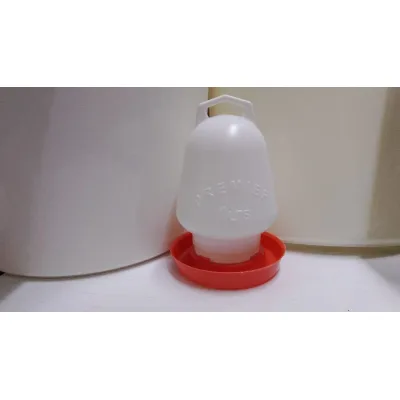
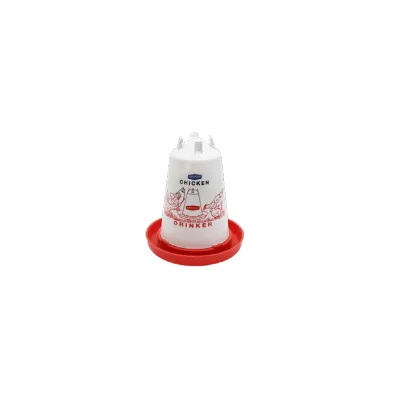
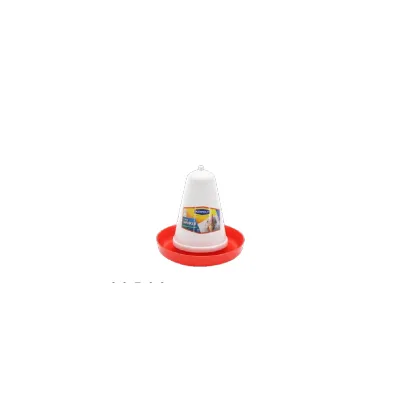
1L Drinkers, Cone shaped For Day Old Chicks,Ducks and Other Small Birds
KSh 100
Automatic and manual poultry drinkers
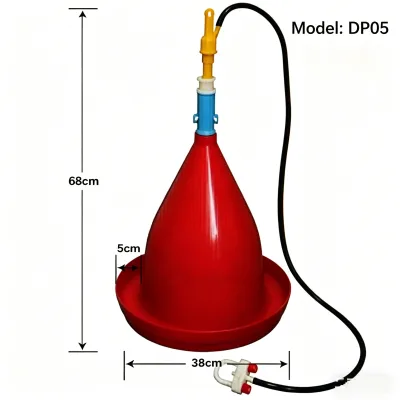
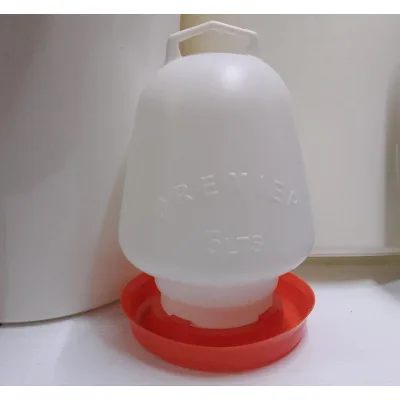
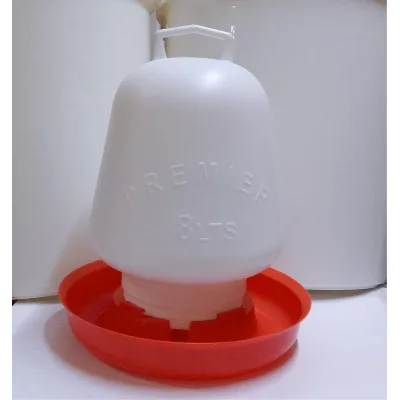
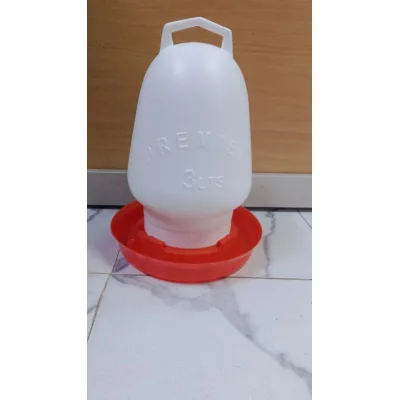
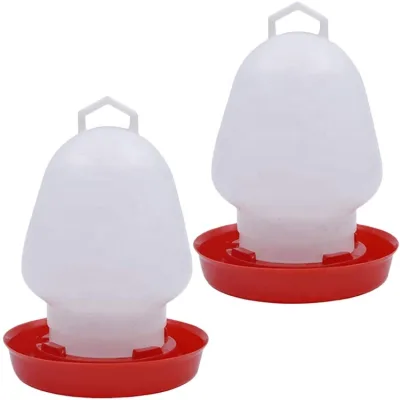
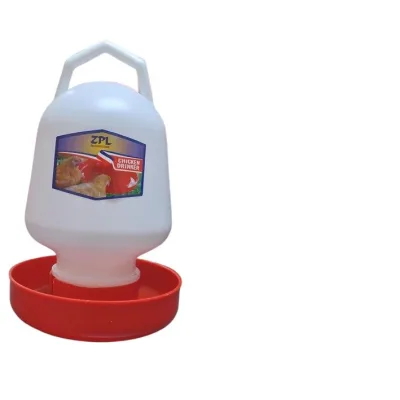
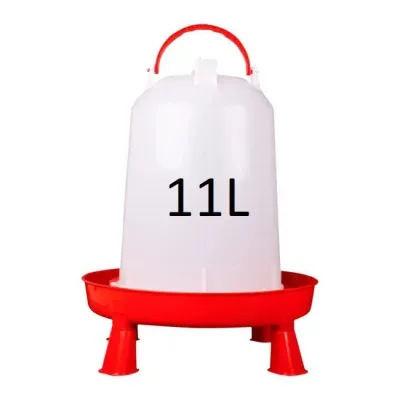
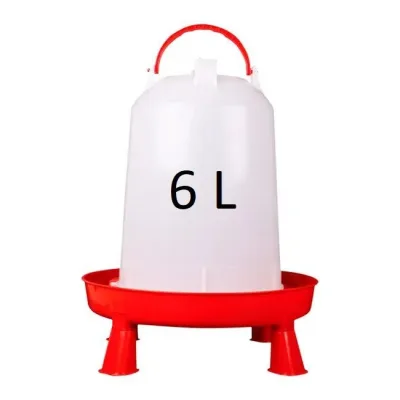
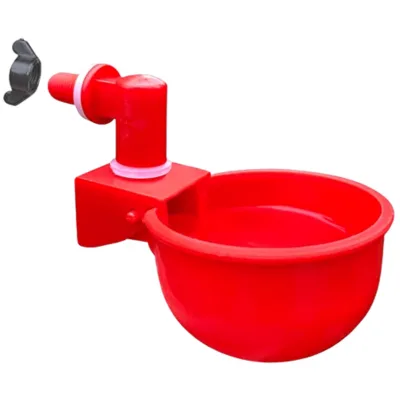
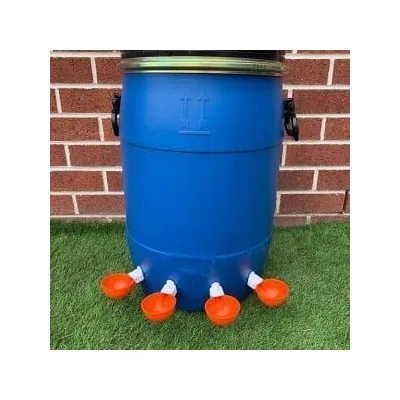
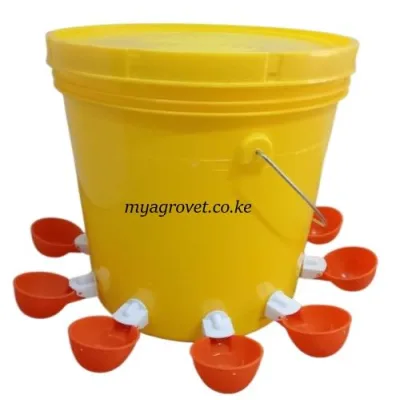
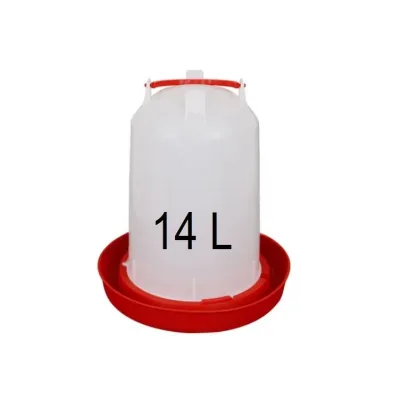
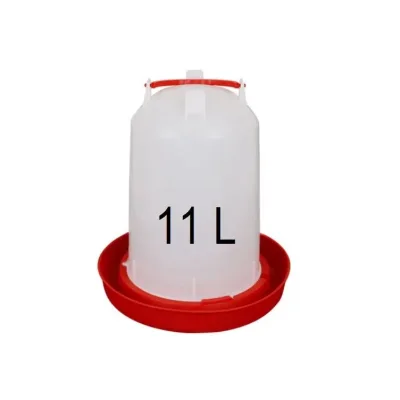
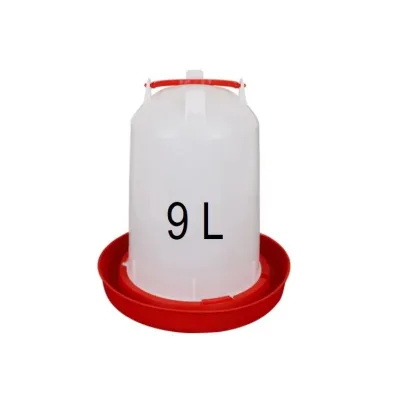
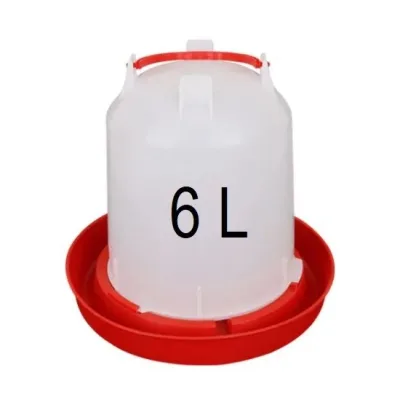
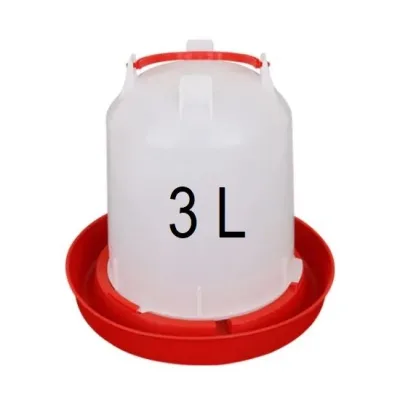
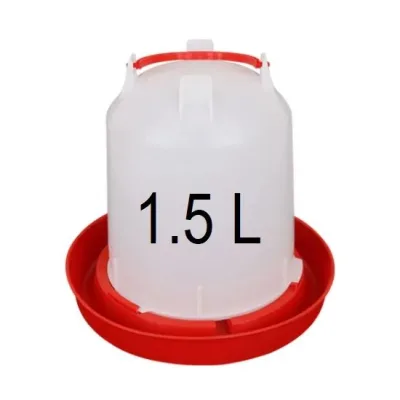
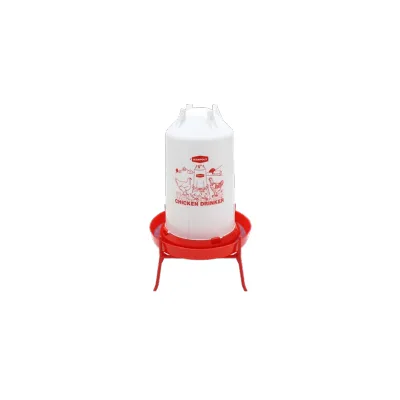
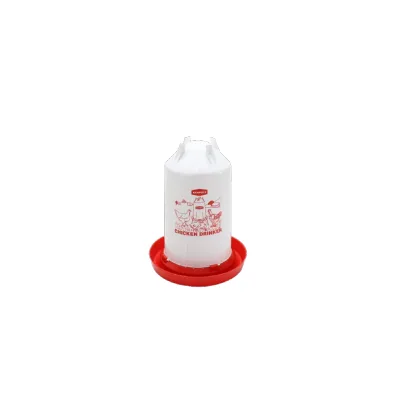
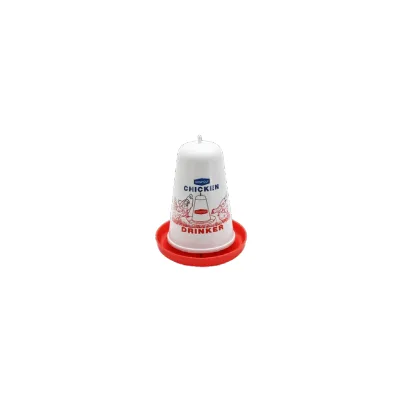
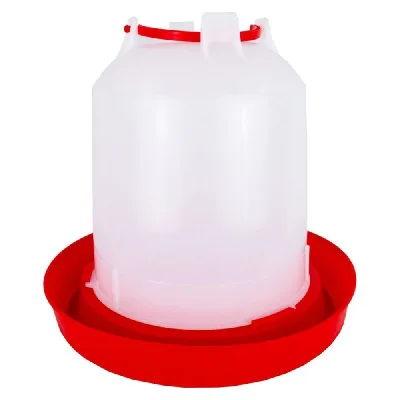
CHICKEN DRINKERS ARE NOT JUST CONTAINERS. THEY CONTROL WATER INTAKE, HEALTH, AND LOSSES. Based on years of working with poultry water systems, we help farms choose chicken drinkers that actually match bird type, housing, and water conditions. If water problems exist, performance problems follow. Talk to us before guessing.
We don’t rely on theory. Selection is based on flow rate, hygiene control, material durability, and adaptation speed. Poultry drinkers behave differently in broiler houses, layer systems, and open sheds. That difference matters.
Our team helps avoid common mistakes—wrong pressure, poor height setup, and contamination risks. Many water issues look like feed or disease problems but start at the drinker.
Guidance on choosing between gravity, bell, and nipple drinkers
Compatibility advice for local water sources
Solutions that reduce spillage and wet litter
Support for scaling from small to commercial systems
Chicken drinkers are classified by how they deliver water and how well they control hygiene, spillage, and labor. The main types include open drinkers, gravity systems, bell drinkers, and nipple drinker systems, each suited to different farm sizes and management levels.
According to our research, open and gravity drinkers are still common in small Kenyan farms due to low cost, but they require constant cleaning and frequent water replacement.
Bell drinkers offer better control and are widely used in broiler houses, while nipple drinker systems dominate commercial operations because they keep water enclosed and clean.
Water intake directly influences feed consumption, growth rate, egg production, and disease resistance. Poor drinker design often leads to contaminated water, which increases the risk of bacterial infections and uneven flock performance.
Our analysis shows that farms using enclosed poultry drinkers report drier litter, lower mortality, and more uniform bird weight compared to farms relying on open systems.
Modern chicken drinkers operate through gravity control or pressure-regulated valves. Nipple drinkers release water only when activated by the bird, while bell drinkers maintain a constant water level using a mechanical valve.
This controlled delivery reduces waste and keeps drinking water isolated from litter, dust, and droppings.
The most critical technical factors include water flow rate, material quality, height adjustability, and ease of sanitation. Incorrect flow rates are one of the most common hidden problems in poultry watering equipment.
Blocked nipples, leaks, and uneven water access are the most frequent issues. Our findings show that sediment and algae buildup are major causes, especially where untreated water is used.
Routine flushing and basic filtration significantly reduce these risks.
Many farmers worry that birds will not adapt to nipple drinkers. Field data shows adaptation typically happens within two days, with no long-term reduction in water intake.
While the initial investment is higher, nipple systems consistently deliver lower operating costs over time.
Tell us the size of your flock, your plot or your job, and we will tell you which model fits. We are in Nairobi CBD and you are welcome to come and see the tools before you buy.