
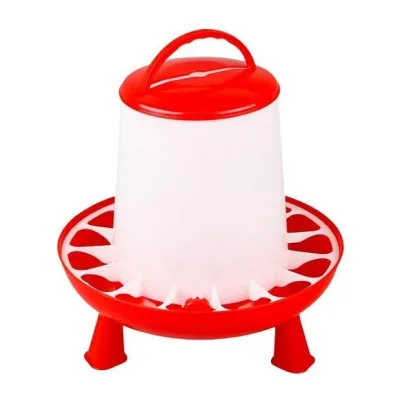
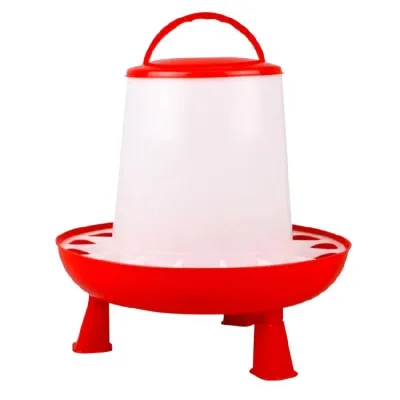
Feeder for Poultry, Hens, Quail and Partridges, With Feet, UV Protection, WQ-9HK, Ø19 X 36,5 X 30
KSh 1,950
Durable Poultry Feeders for Efficient Farm Management

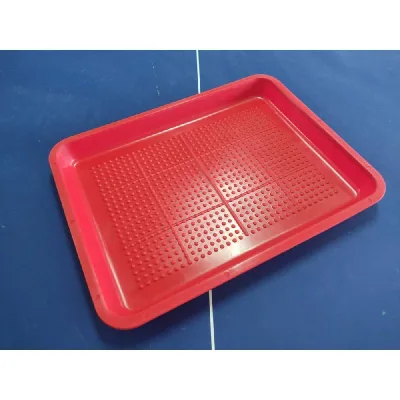
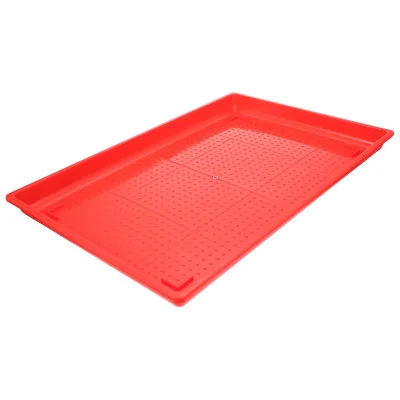
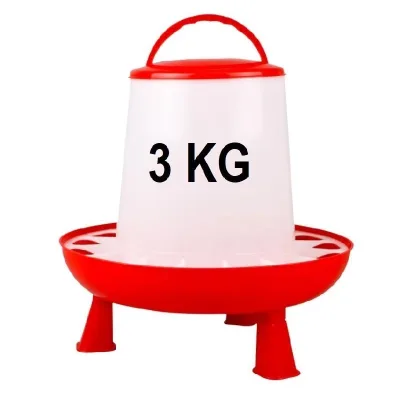

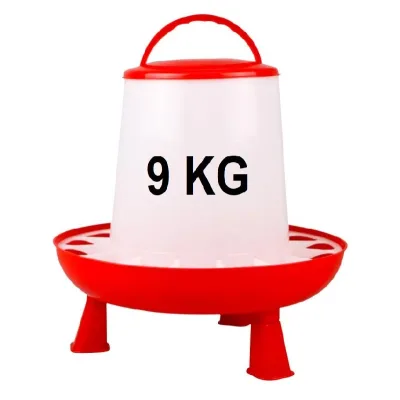
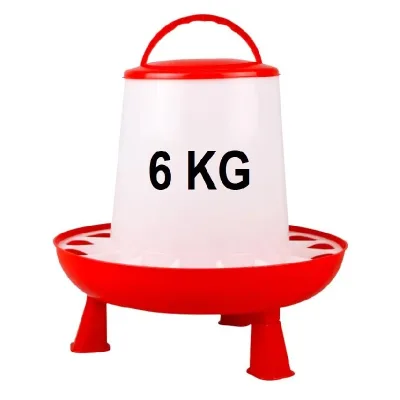
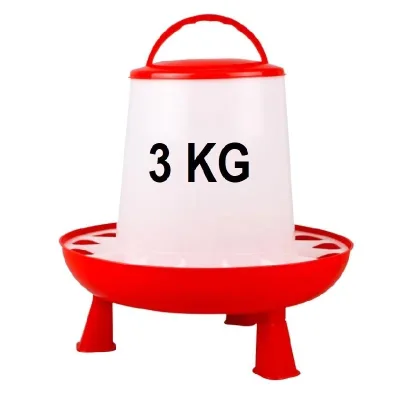
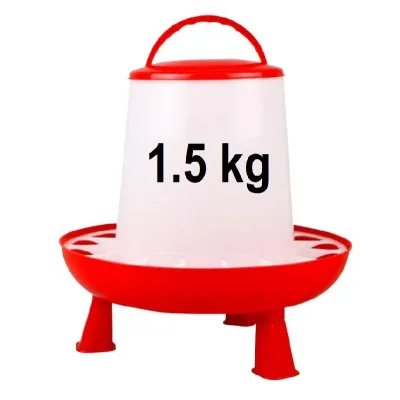
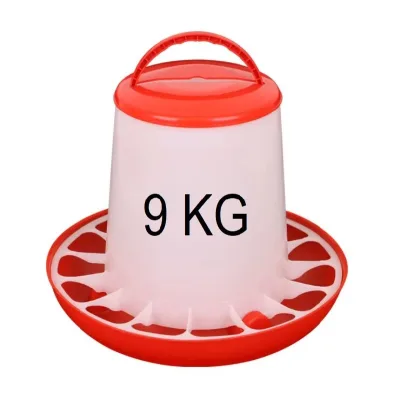
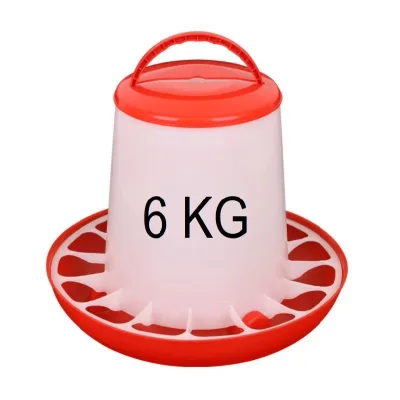
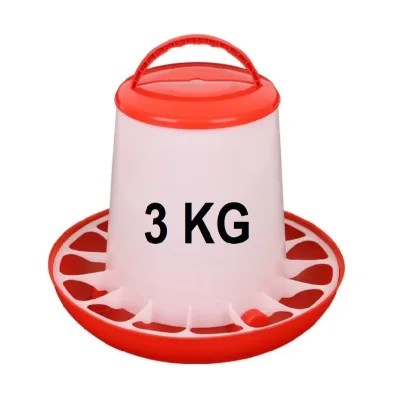
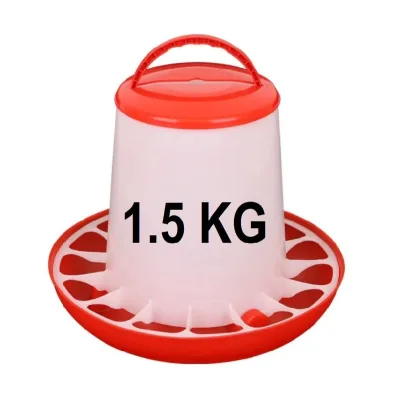
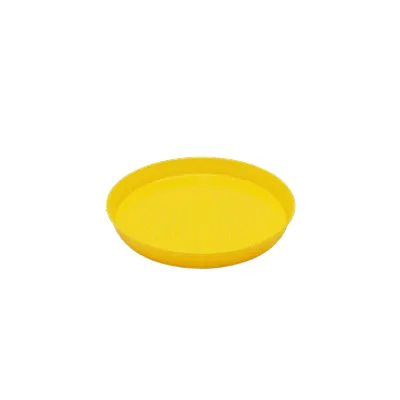
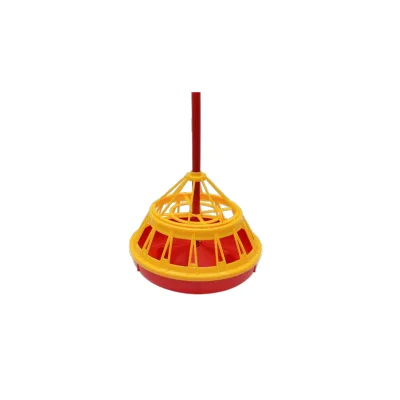
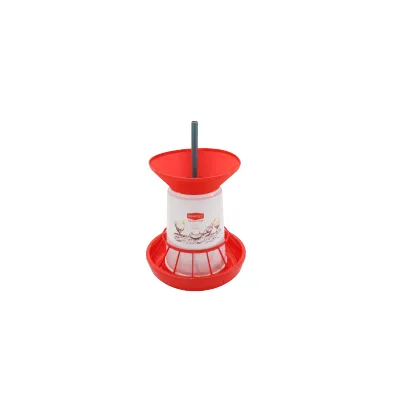
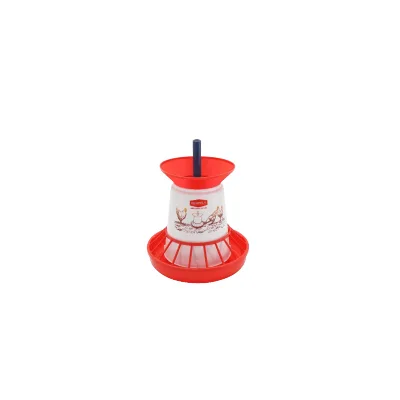
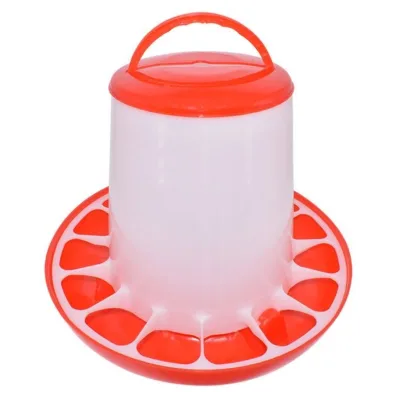
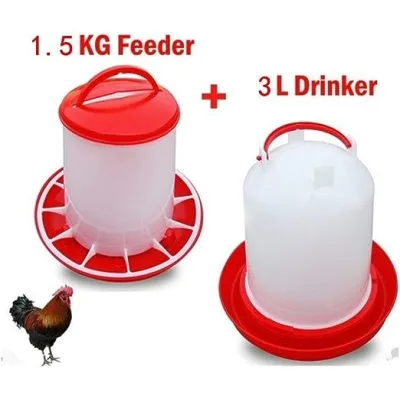
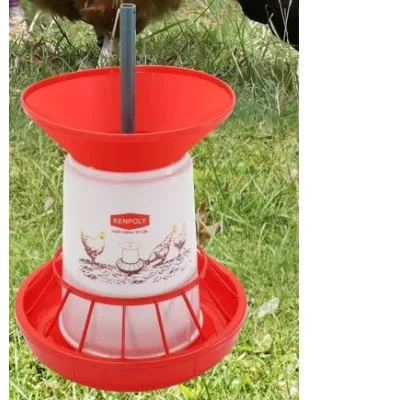
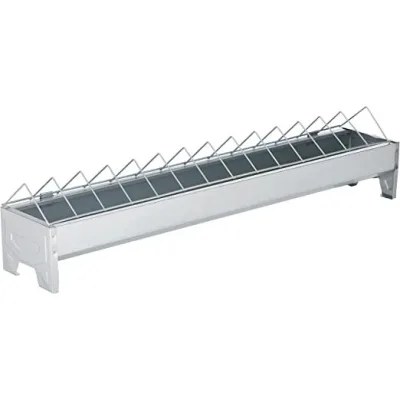
Are you losing profits to feed wastage? We have the solution. Stop throwing money away on spilled feed. Our range of Poultry feeders is specifically selected to cut waste, improve hygiene, and withstand the tough conditions of Kenyan farming. Shop now to secure your flock's efficiency.
We don't just sell plastic; we sell efficiency. Having visited hundreds of farms from Kiambu to Nakuru, we know that a cheap feeder is expensive in the long run. That is why our selection focuses on anti-waste chicken feeders featuring high-grade UV-stabilized plastic and precision-engineered grill divisions. These designs effectively stop birds from scratching out feed, directly lowering your FCR and boosting your profit margins.
We understand that managing a flock—whether 50 Kienyeji chickens or 5,000 broilers—is a science. Our team helps you navigate common pitfalls, such as choosing the wrong feeder size which leads to uneven growth. We debunk the myth that "any container will do" by providing equipment that ensures every bird gets equal access to nutrition.
Heavy-Duty Durability: Equipment made to last seasons, not just weeks.
Growth-Stage Specifics: From chick trays for day-olds to large hanging poultry feeders for mature layers.
Hygiene First: Easy-clean surfaces that reduce disease risks like Coccidiosis.
Automatic Options: Scalable automatic poultry feeders for commercial expansion.
For Kenyan poultry farmers, the choice typically lies between manual hanging feeders, linear troughs, and automatic systems. Hanging tube feeders are the industry standard for both broilers and layers due to their versatility and gravity-fed design. Linear troughs are preferred for caged systems or specific brooding setups, while automatic pan feeders are investing in large-scale commercial operations to automate labor and ensure precision feeding.
Choosing the right type depends heavily on your flock size and housing system. For free-range (Kienyeji) or deep litter systems, plastic hanging feeders are ideal because they can be raised as the birds grow, keeping the feed clean. For day-old chicks, flat chick trays are mandatory for the first week to ensure immediate access to food without barriers.
Feed accounts for approximately 70% of poultry production costs, so minimizing spillage is critical for profitability. Anti-waste chicken feeders utilize specific design elements like inward-curved rims (lips) and grill divisions. These features prevent the birds from "flicking" or scratching feed out of the pan onto the litter, where it becomes contaminated and inedible.
Our research indicates that switching from open bowls or poor-quality troughs to proper anti-waste feeders can save up to 15g of feed per bird per day. Over a cycle of 500 broilers, this translates to hundreds of kilos of saved feed. Additionally, keeping feed off the ground reduces the attraction of rodents and lowers the risk of soil-borne diseases like Coccidiosis.
The debate between plastic poultry feeders and galvanized metal options often comes down to durability versus hygiene. High-quality UV-treated plastic feeders are generally preferred in modern poultry farming because they are rust-proof, lightweight, and exceptionally easy to wash and sanitize between cycles.
Correct feeder height is the single most ignored factor that affects bird uniformity and Feed Conversion Ratio (FCR). A feeder should always be adjusted so the lip of the pan is level with the bird’s back. This forces the bird to stand naturally to eat, facilitating swallowing and preventing them from scratching inside the feeder.
If the feeder is too low, wastage increases dramatically as birds rake feed out. If it is too high, smaller birds cannot eat, leading to an uneven flock (runts). We recommend using adjustable ropes or chains to raise the hanging poultry feeders weekly as your broilers or layers grow.
A frequent issue farmers face is feed bridging or clogging, especially when using mash feed which has a finer texture than pellets. This often happens in feeders with narrow throats or shallow cones.
Tell us the size of your flock, your plot or your job, and we will tell you which model fits. We are in Nairobi CBD and you are welcome to come and see the tools before you buy.